
Sam Peacock
Contemporary artist transforming landscape into texture and colour through painted steel.
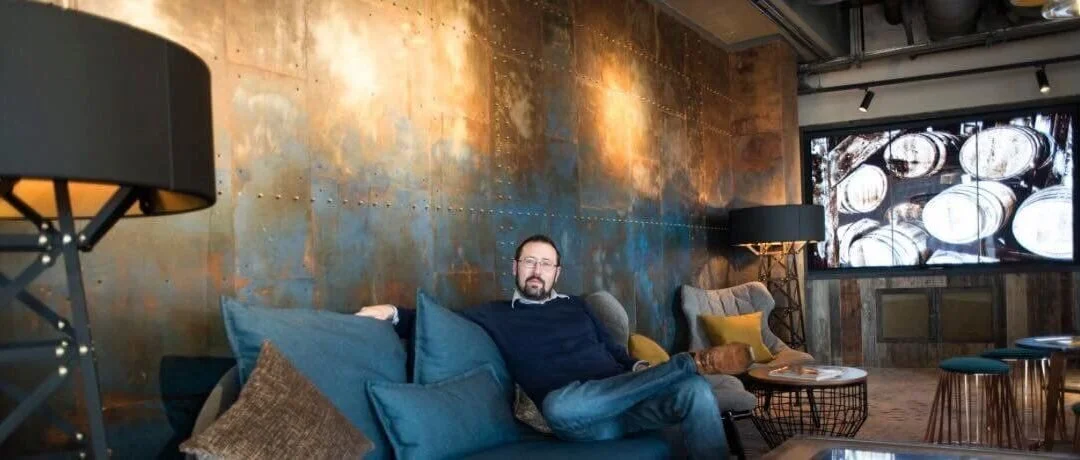
Working on sheets of steel rather than canvas, Sam Peacock reimagines landscape painting through material, light and process. Inspired by rural and coastal environments, his work captures the atmosphere and energy of place through layered colour, textured surfaces and reflective qualities that shift with changing light.
Using industrial materials and unconventional techniques, including rollers, varnishes and heat, Peacock creates works that move beyond traditional landscape representation. Each piece carries both the memory of location and a contemporary, architectural presence, making his work especially powerful within modern interior spaces and large scale installations.
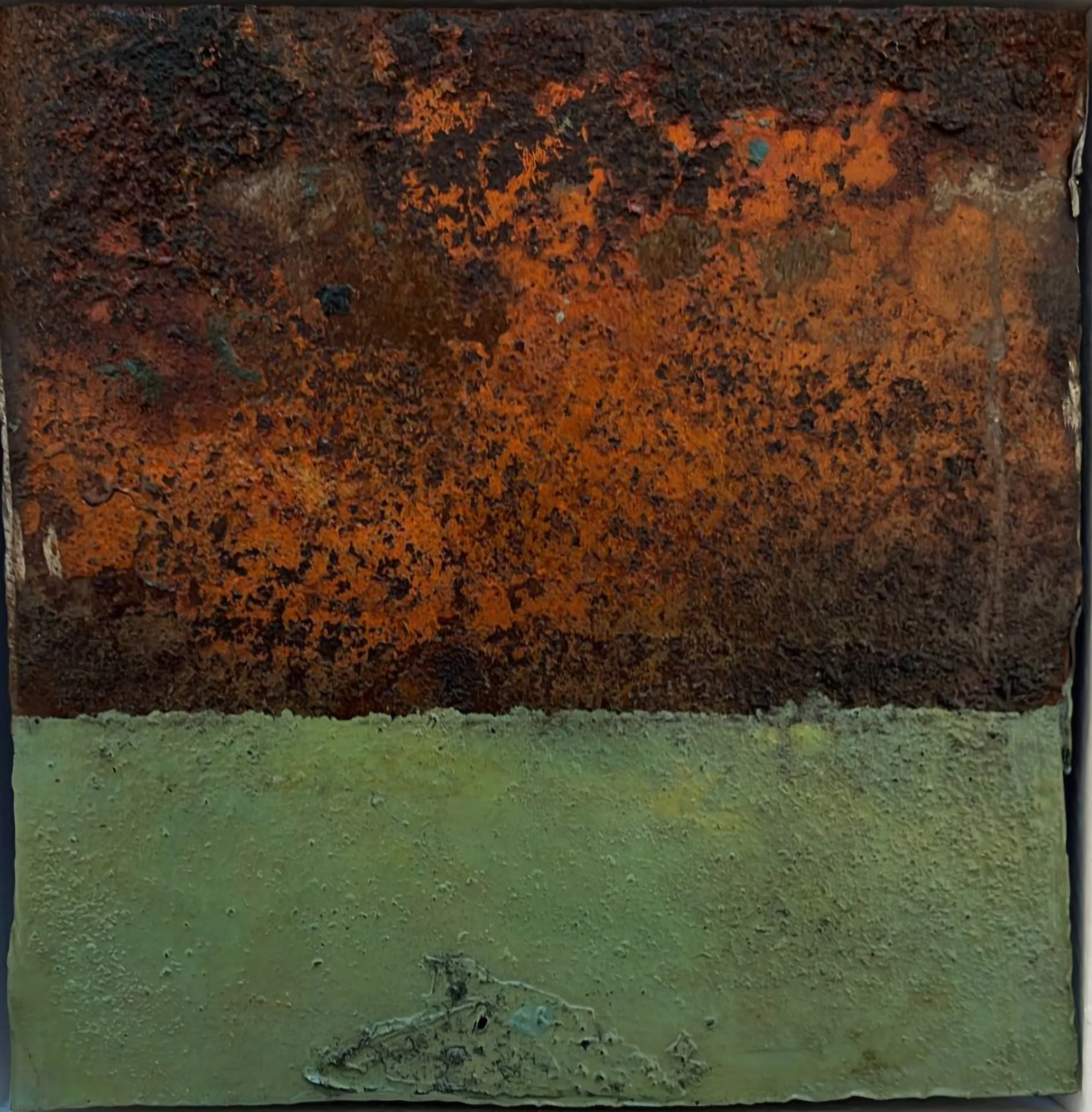
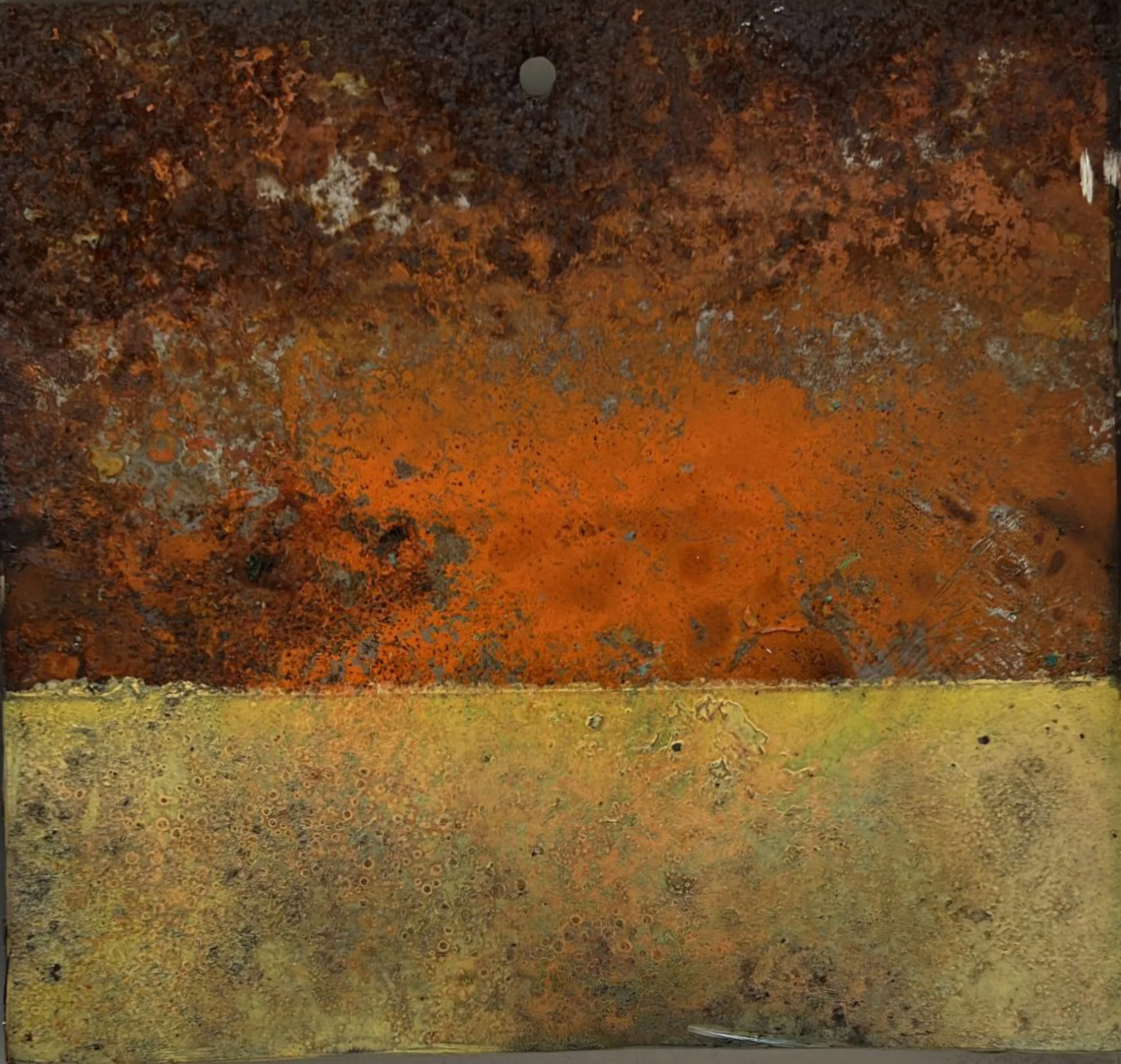
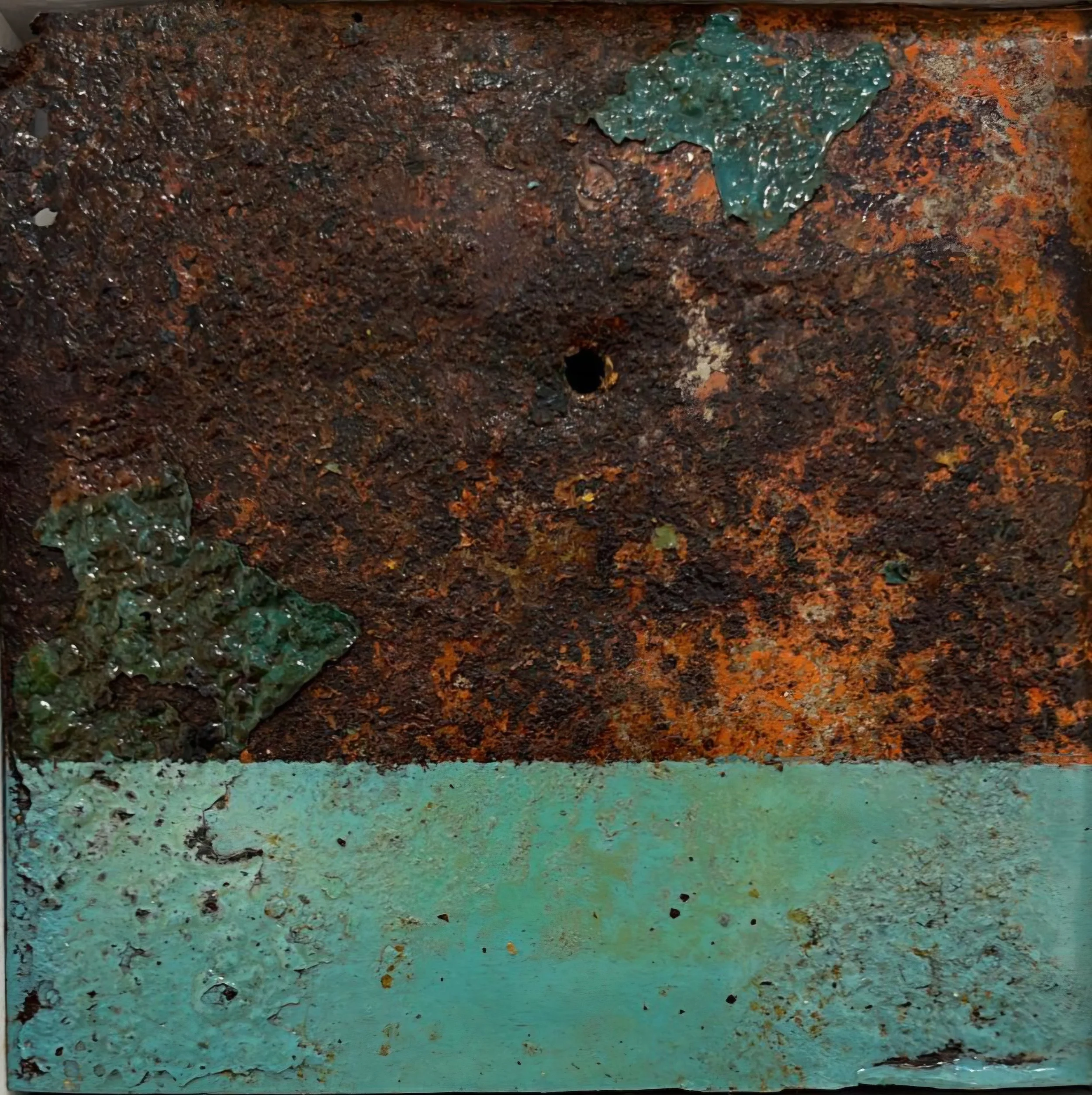
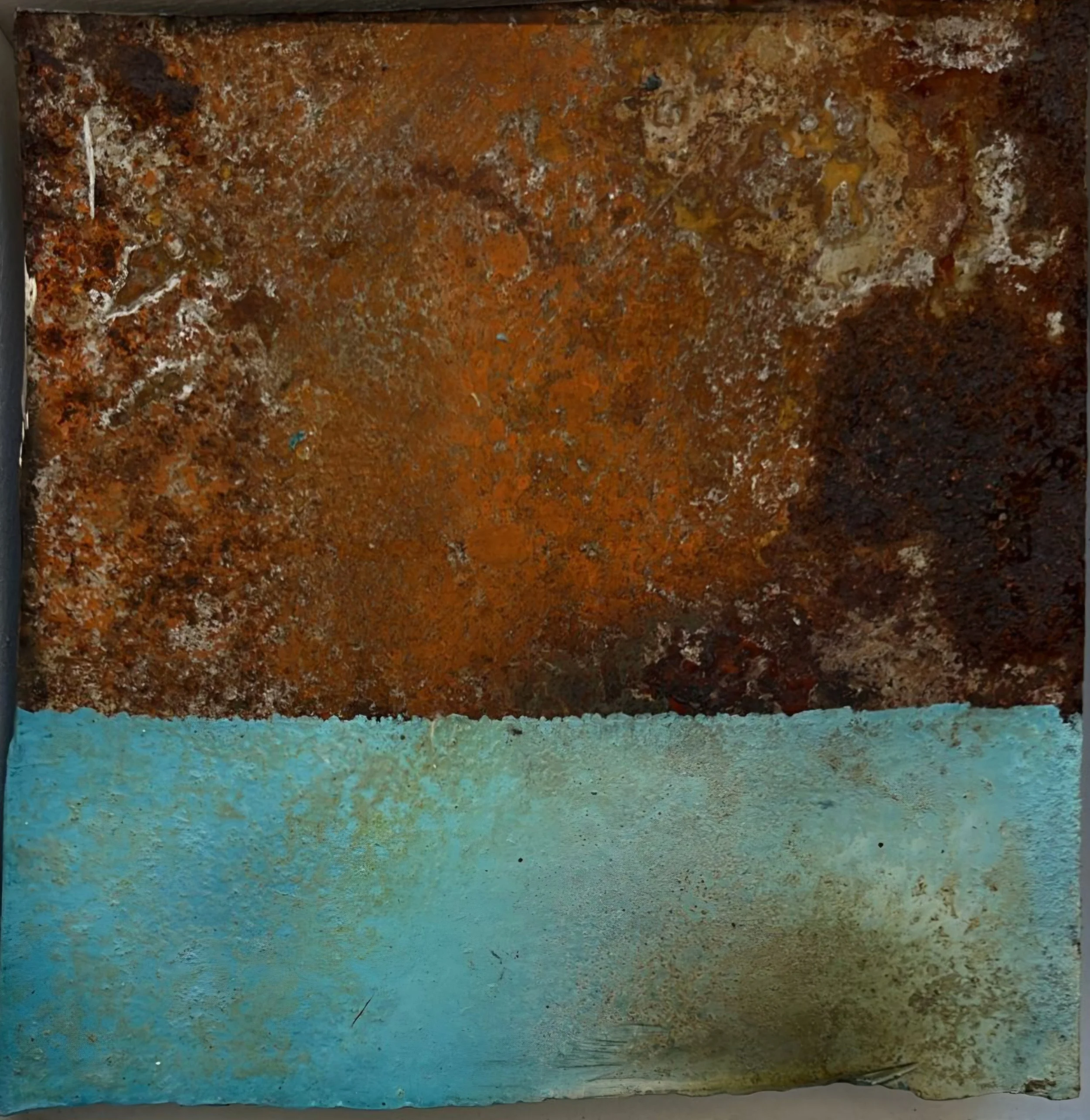
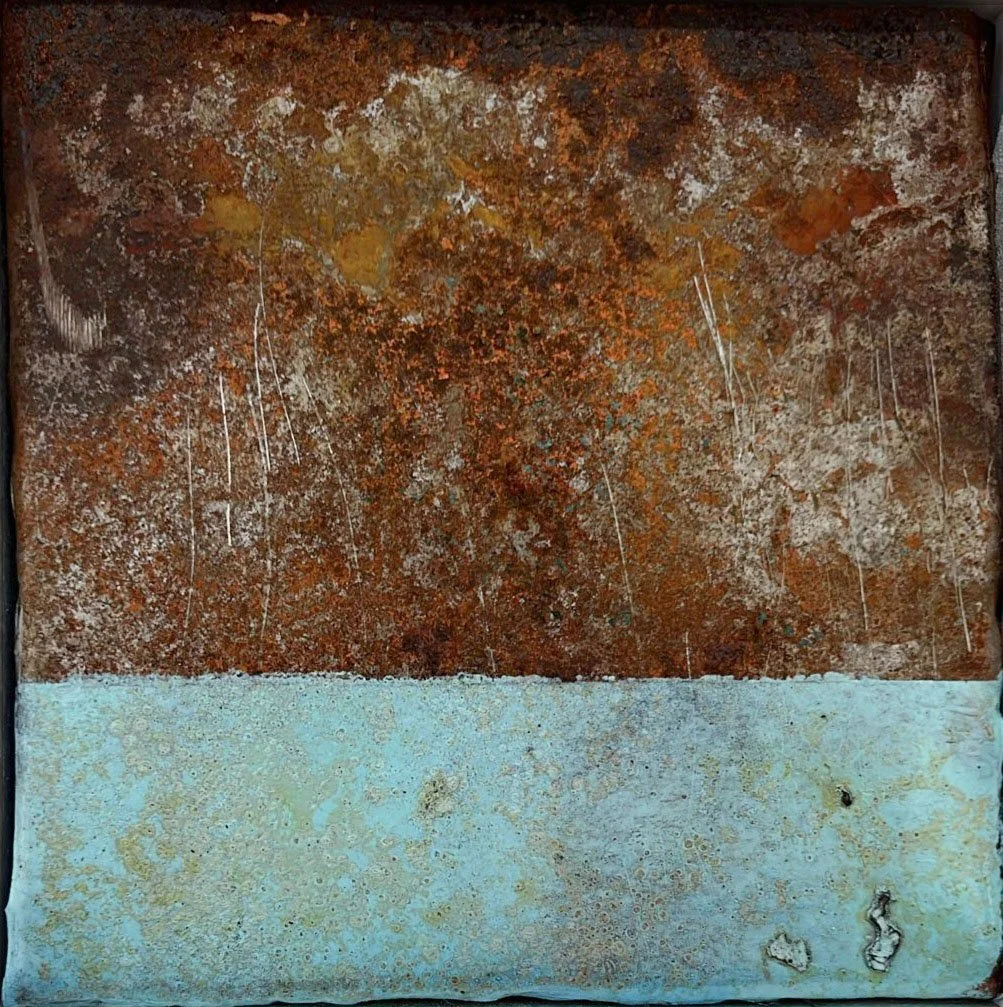
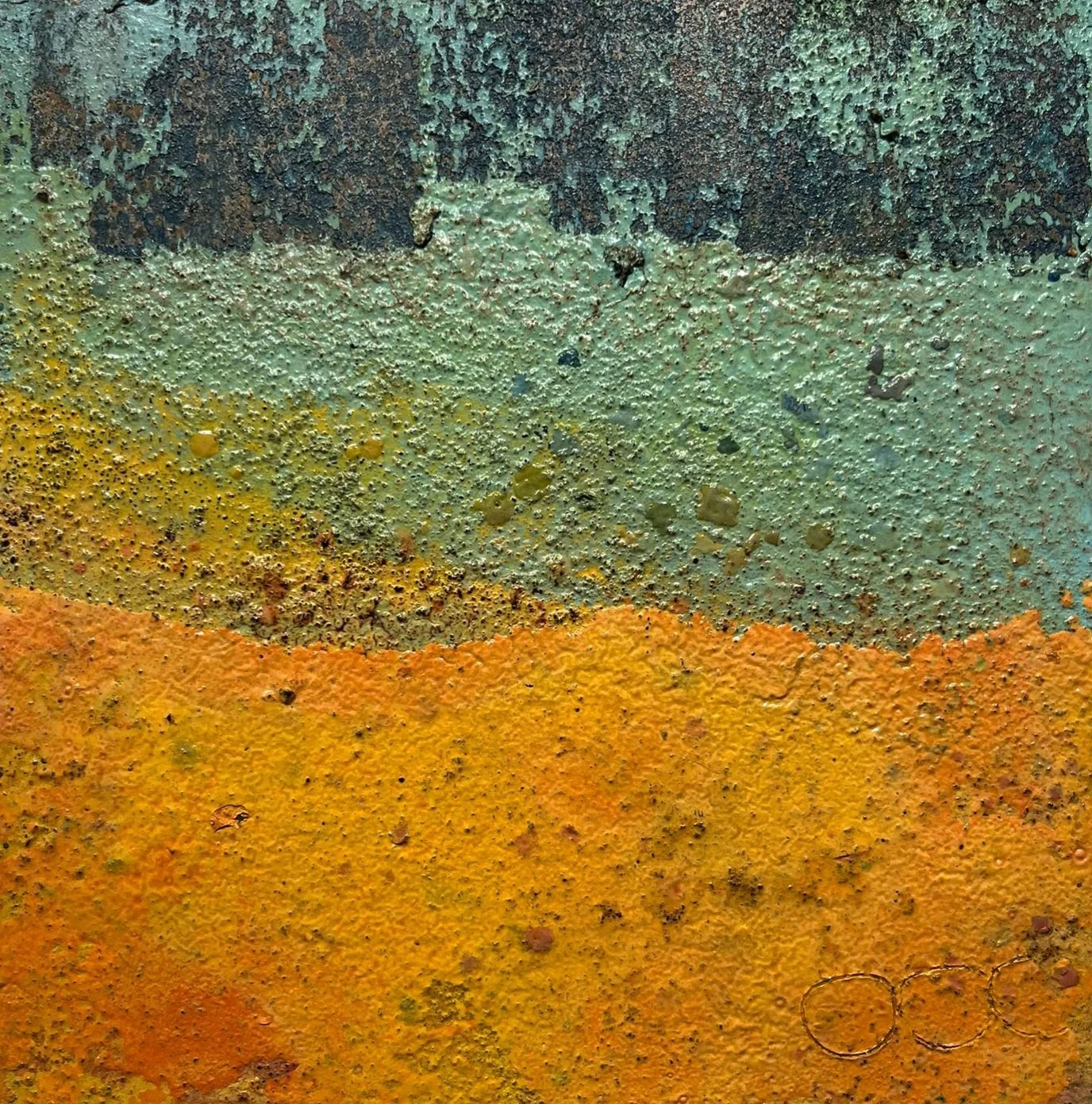
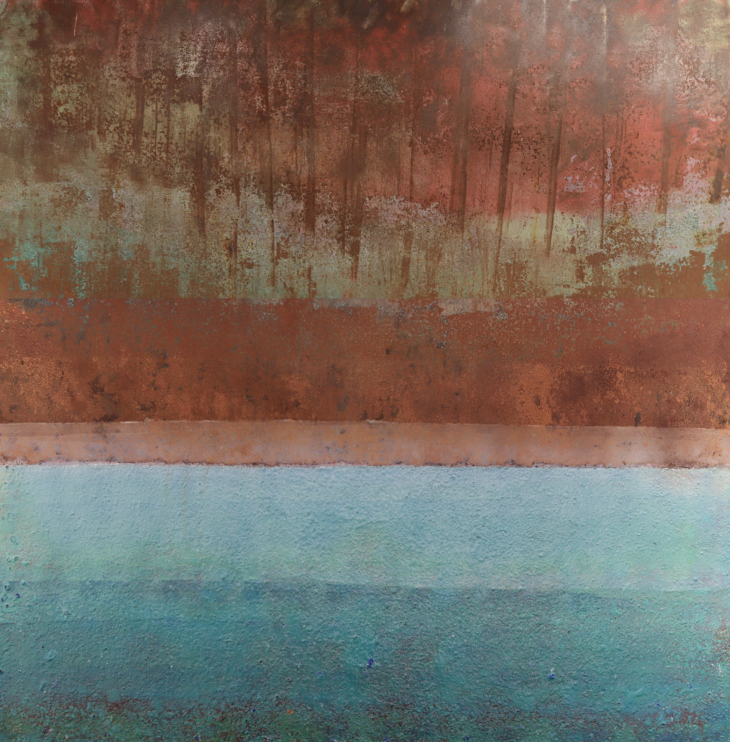
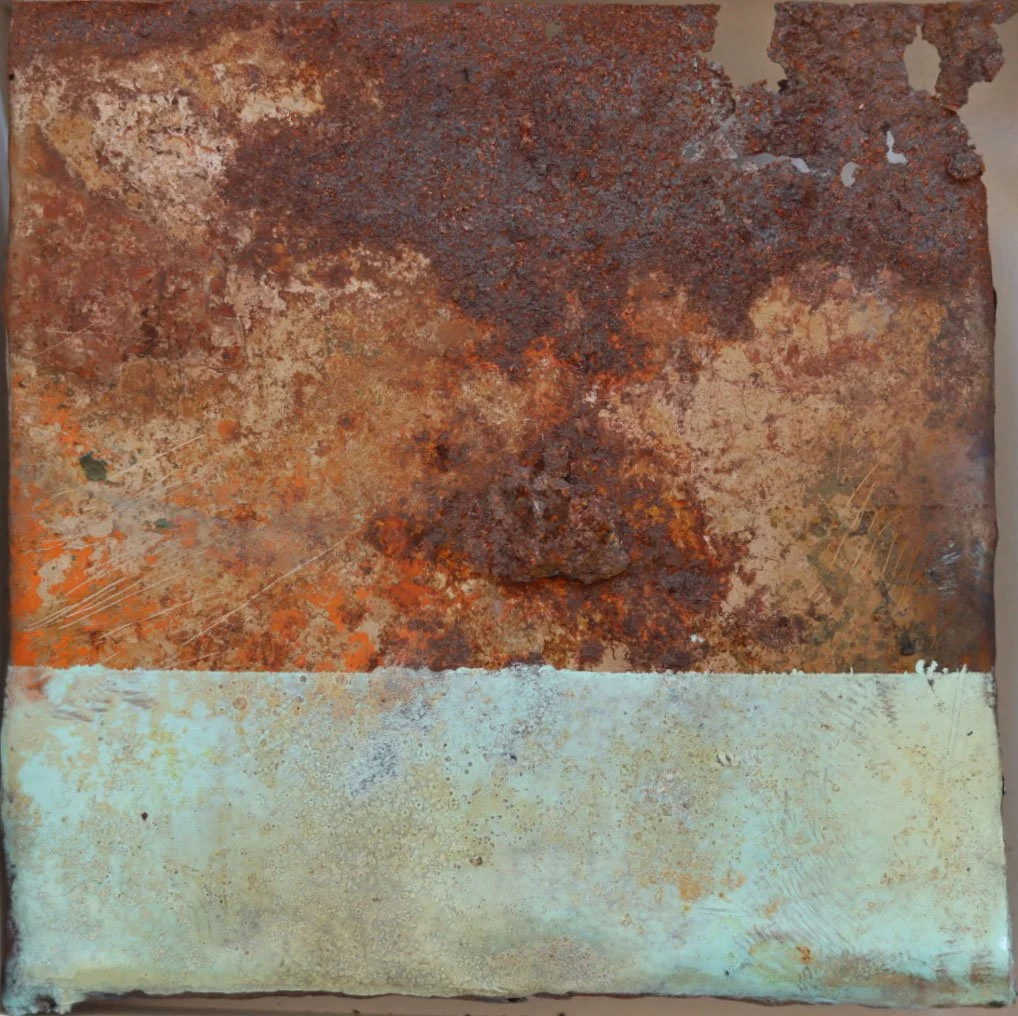
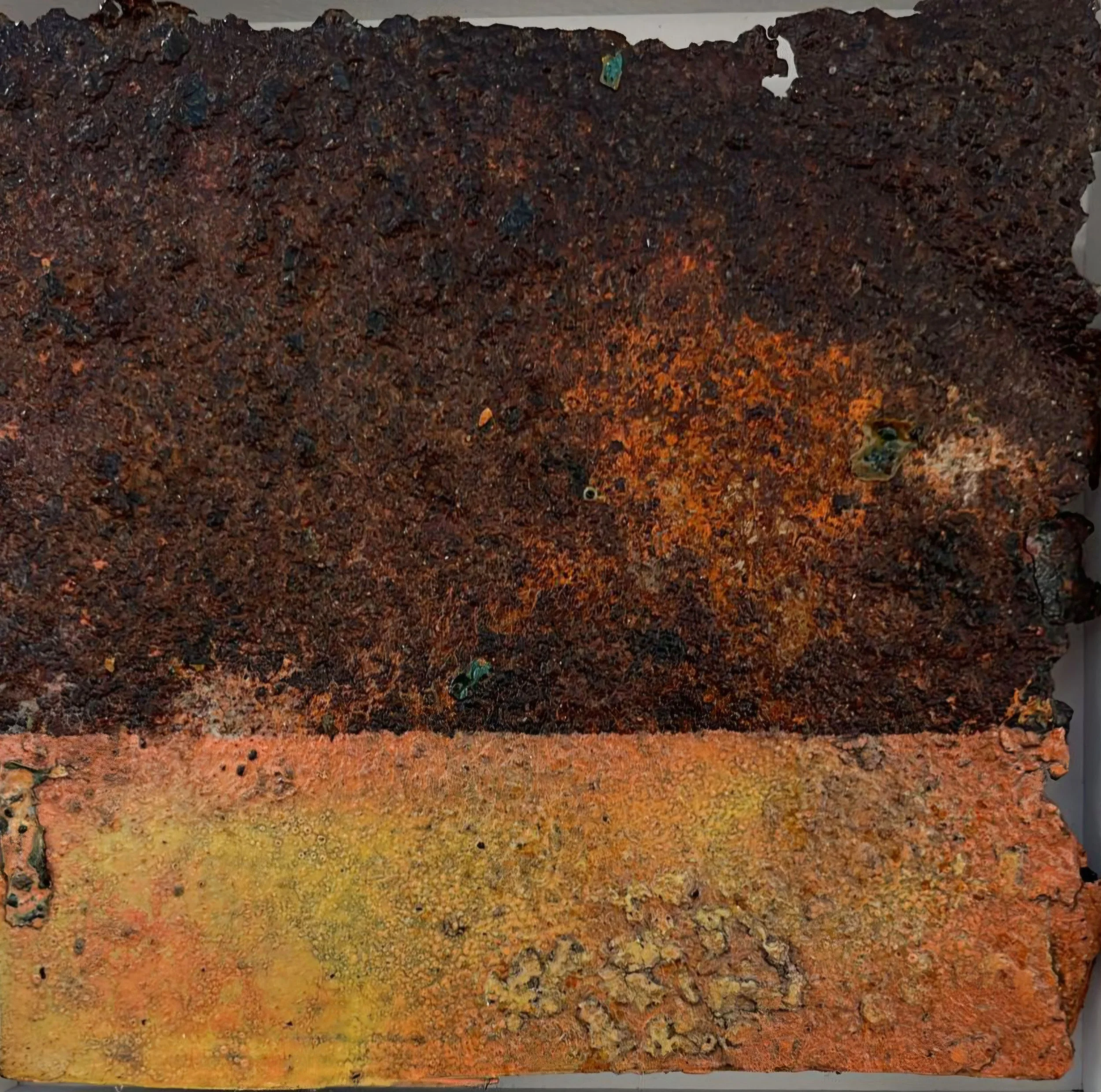
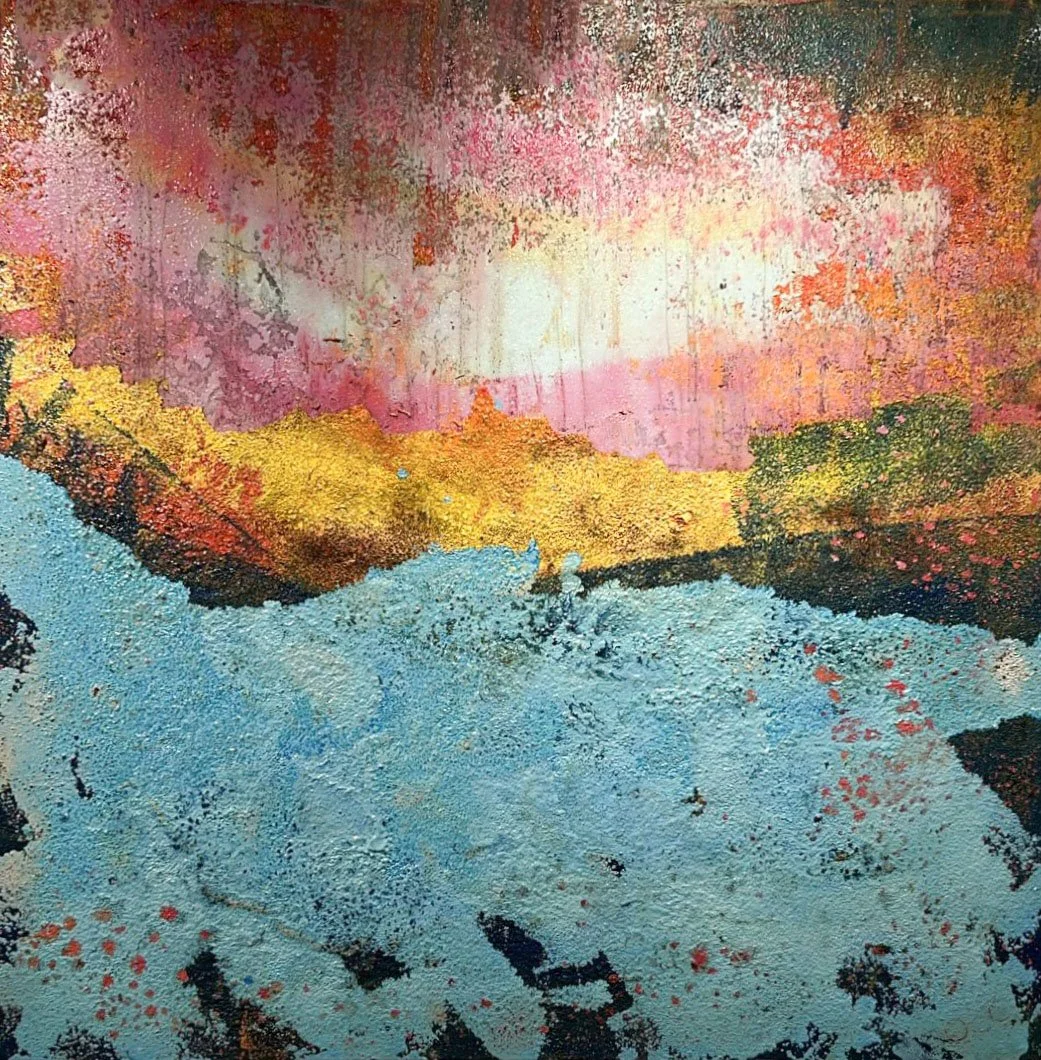


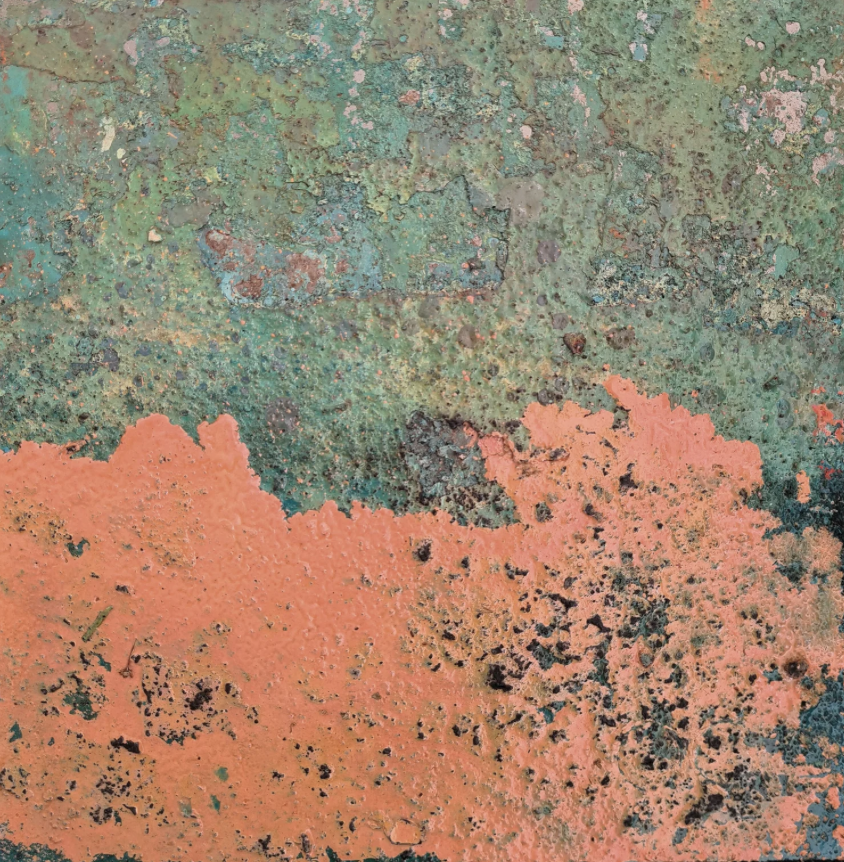
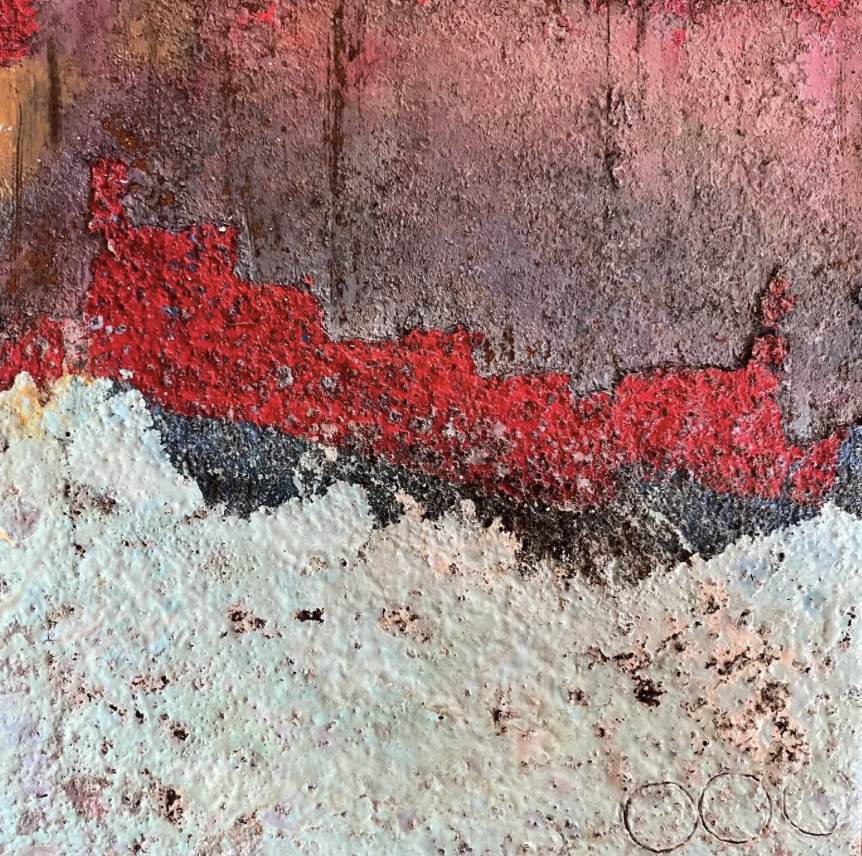
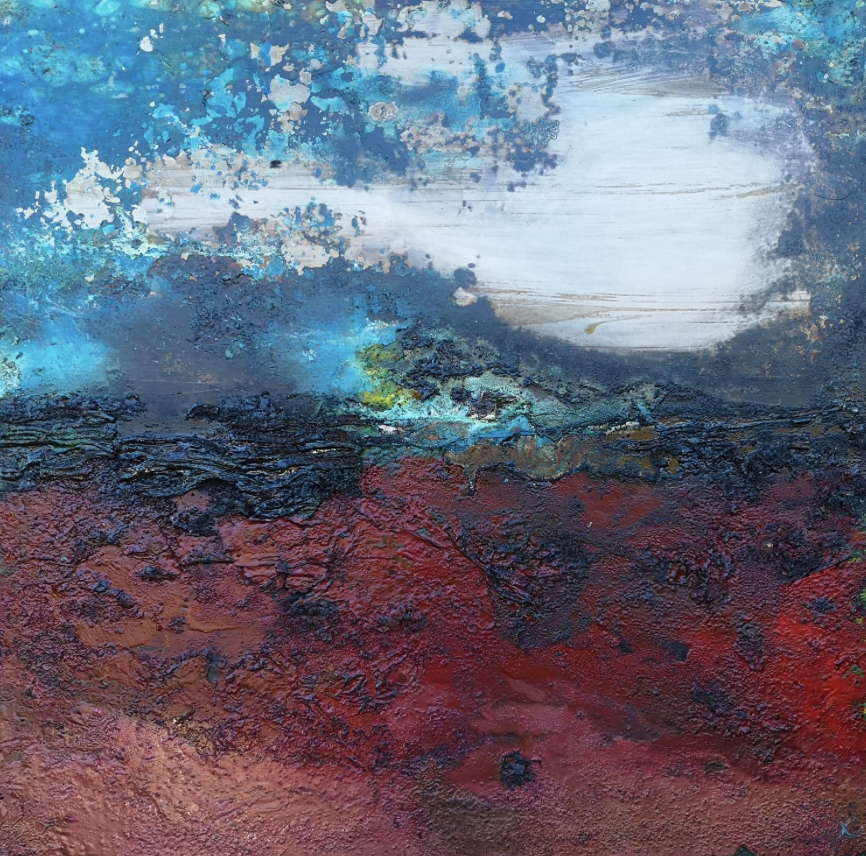
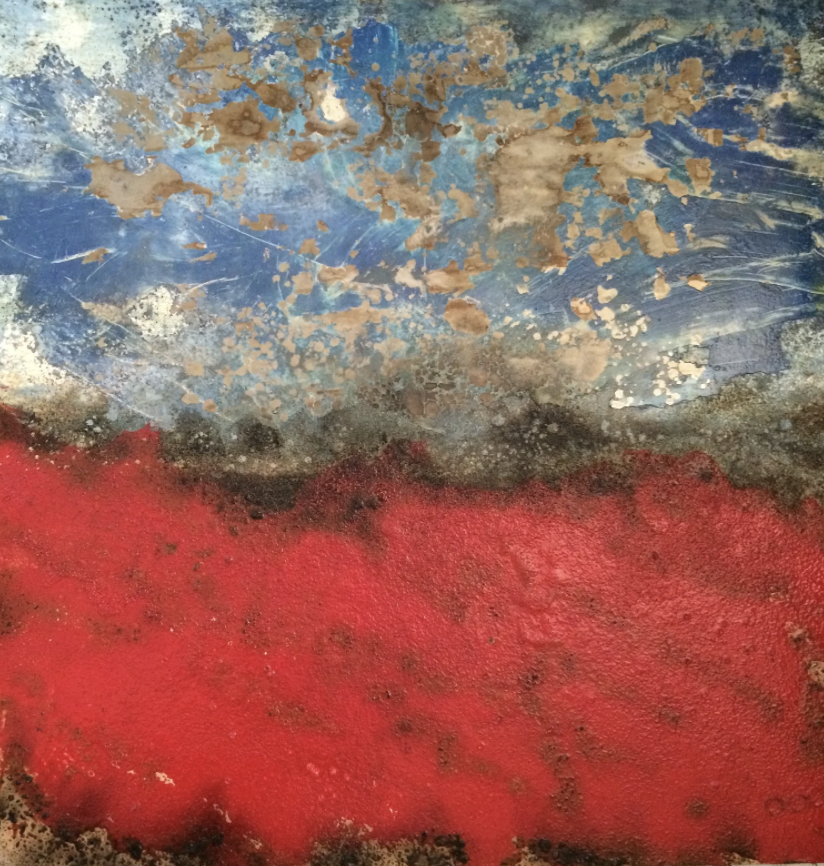
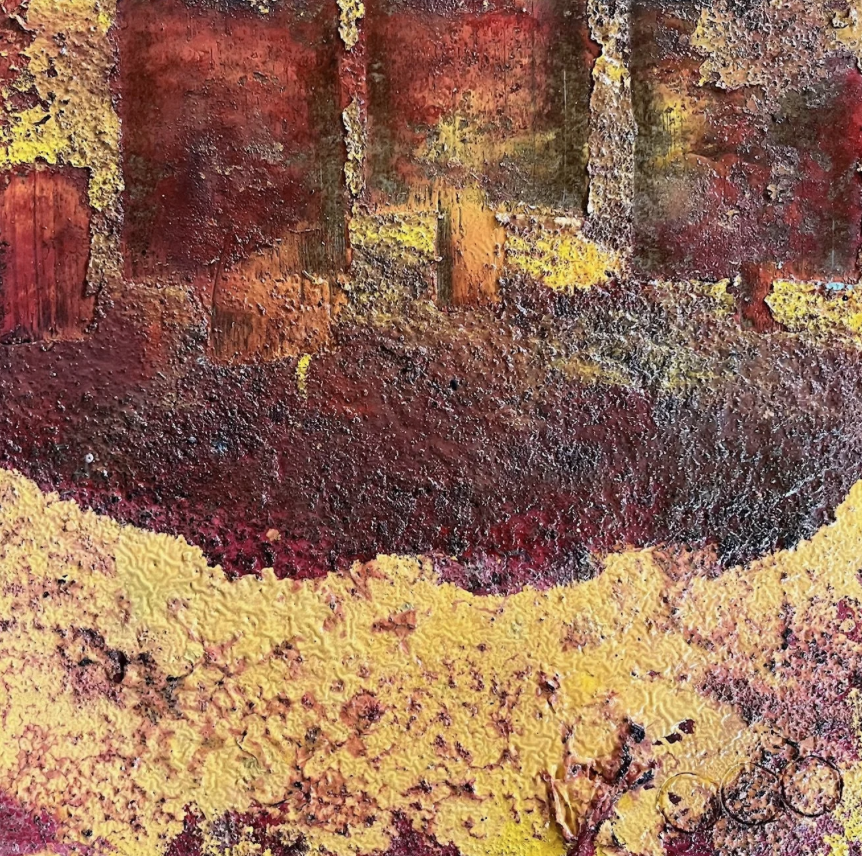
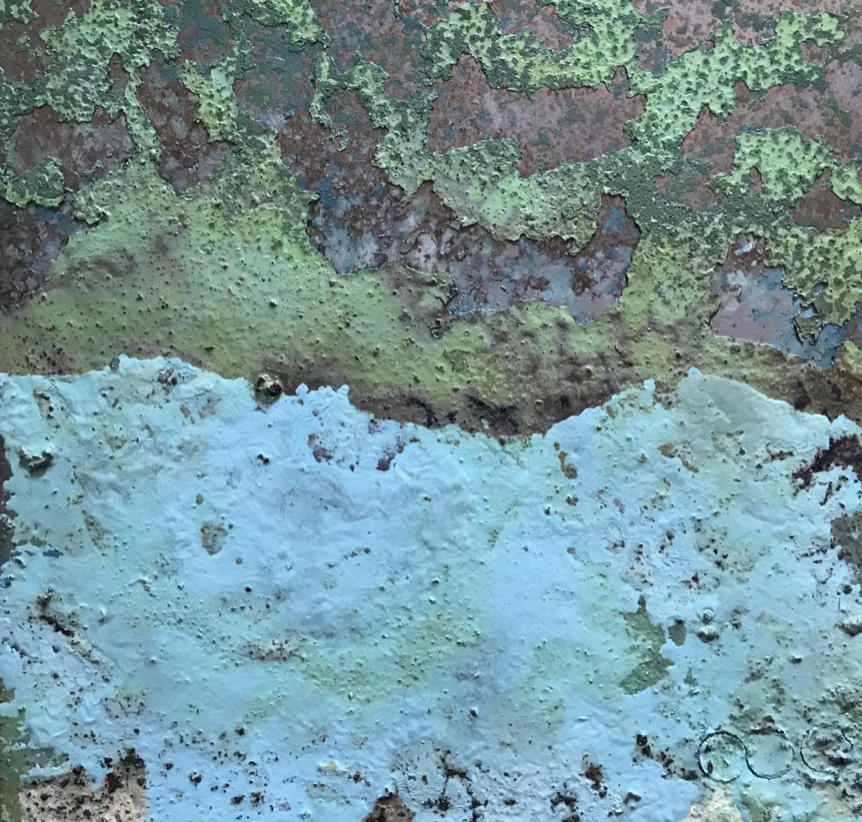
Sam Peacock is a contemporary British artist known for his distinctive steel based works that reinterpret landscape through colour, light and surface. For over three decades he has developed a unique process using oils, varnishes and raw materials applied directly onto steel, often shaping and altering the surface with heat to create depth and movement.
His work spans gallery exhibitions, private collections and major installation projects, including large scale commissions for hotels, commercial spaces and public environments. Notable projects include extensive installations for Novotel Canary Wharf and a major public commission for Islington Council in London, where steel and colour interact with natural light to create an ever changing visual experience.
Working from his studio in Battle, East Sussex, Peacock produces both independent works and bespoke commissions, carefully responding to each site through consideration of space, light and architectural context. His practice bridges contemporary art, design and installation, creating works that transform environments as much as they depict landscape.
Interested in available works or commissions?
oil and coal on steel
150 x 50cm
unframed
by Sam Peacock
Part of the Coal Collection, this work reflects on Britain’s coal mining heritage, with particular reference to the East Midlands and the area around Radcliffe on Soar.
The painting considers the region’s industrial history and the changing future of coal in Britain, especially in light of the decommissioning of the country’s last coal fired power station. Coal itself has been ground into a fine dust and added directly into the paint, giving the surface a physical connection to the industry it references.
The work is presented on steel plate, which was buried in clay for a year. This process allowed the metal to weather and deteriorate naturally, echoing the decline of the coal industry and the gradual erosion of the structures, landscapes and livelihoods once built around it.